
History of the Estate
Turmelière — A House Shaped by Frontiers, Fire, and Memory
The Turmelière estate is far more than a charming stone residence in the countryside of Château-Thébaud. It is a place where the deep currents of French history left their mark: medieval borders, the upheaval of the Revolution, and even the childhood memories of the woman, Sophie Trebuchet, who would become the mother of Victor Hugo.
Across centuries, the estate has witnessed conflict, resilience, and rebirth — each era leaving traces still visible today.

A fortified frontier between two kingdoms
The foundations of the estate date back to the Hundred Years’ War (1337–1453), when this peaceful region was a strategic frontier. The Maine River below the estate separated two rival worlds:
-
Opposite bank: the Plantagenet (English) Crown,
-
This bank: the Valois kings of France.
To secure the border, the French fortified their side of the river with strongpoints, of which Turmelière formed a part. These medieval foundations — built of thick local granite — still support the estate’s tower and main wing today, giving the property its distinctive, old-world presence.
Loyalty, courage, and tragedy during the Revolution
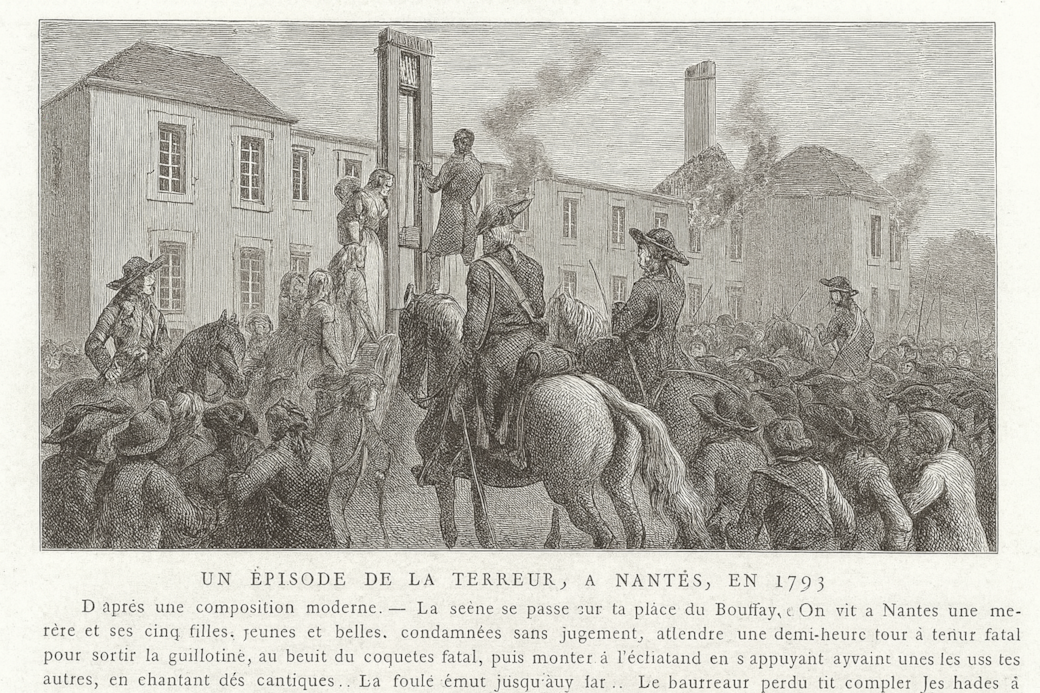
By the late 18th century, Turmelière was home to the Le Loup de La Biliais, a noble family whose fate was sealed during the French Revolution. Loyal to their faith and accused of hiding prêtres réfractaires (non-juring priests who refused allegiance to the Republic), the family was arrested during the Terror.
Their trial and execution are among the most tragic episodes in the history of the region:
-
Louis Antoine de La Biliais, father, executed 17 January 1794
-
Anne Claire (née Cottineau), mother, executed 7 March 1794
-
Renée Claire Louise, daughter (24) executed 7 March 1794
-
Marie Perrine, daughter (22) executed 7 March 1794
All were guillotined at Place du Bouffay in Nantes, under the brutal repression led by Jean-Baptiste Carrier.
A Tragic Link to France's Great Literature
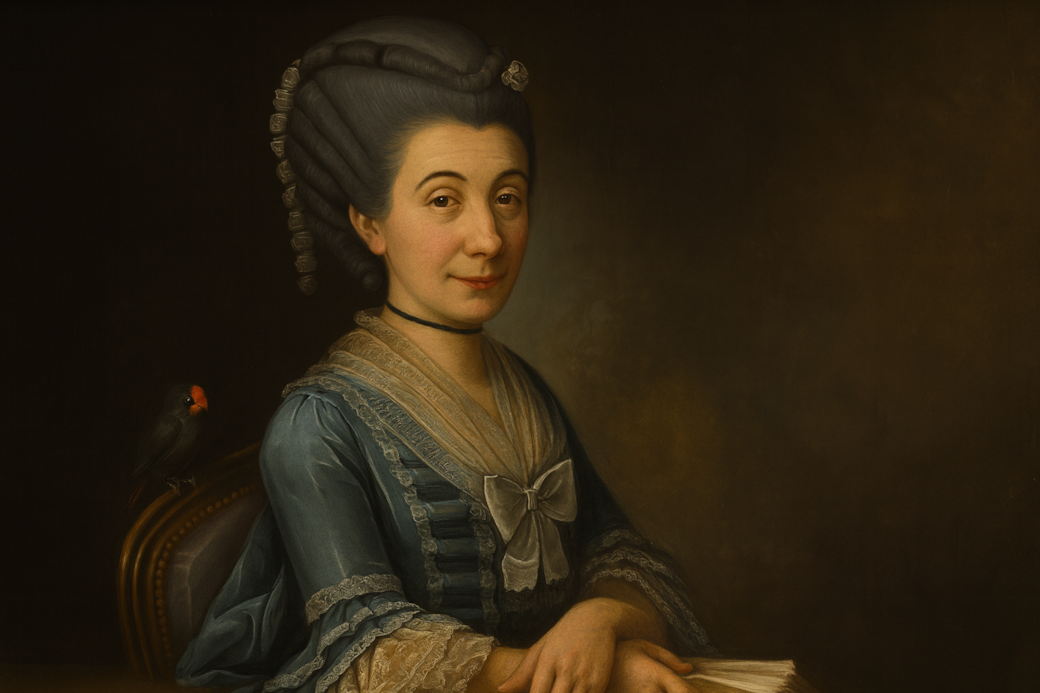
As a child, Sophie Trébuchet—future mother of Victor Hugo—was swept into the crowd in Nantes as her young friend, Marie Perrine from was led to execution. Pressed forward by « la foule qui piétine » (“the crowd trampling forward”), she saw the condemned sisters and mother advance « serrées les unes contre les autres » (“pressed against one another”). The shock was so great that, as the text recalls, « elle ne veut plus vivre à Nantes… elle veut partir vite » (“she no longer wants to live in Nantes… she wants to leave quickly”). This early encounter with terror and injustice marked Sophie deeply, and through her, helped shape the moral convictions that would later define the writings of Victor Hugo.
The Manor Burned and Half Rebuilt
In the aftermath of the executions, Revolutionary forces burned the Turmelière Manor, both as punishment and to eliminate a perceived royalist center of resistance.
Only part of the building survived, and the estate was left in ruins.
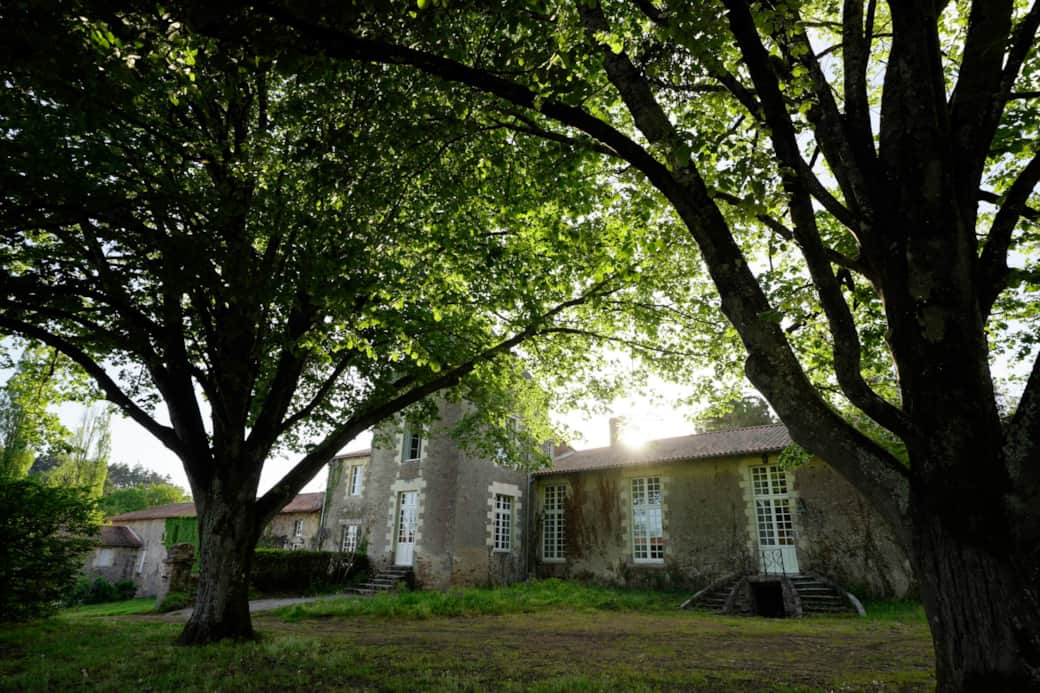
In the years that followed, heirs or relatives returning from emigration reclaimed what remained and rebuilt the manor. This reconstruction explains the current asymmetrical layout:
-
one preserved medieval tower and wing,
-
one rebuilt section,
-
and former farm buildings added or restored later.
These mismatched yet harmonious elements are part of the property’s charm and authenticity.

From Frontier Stronghold to Peaceful Estate
Over the 19th and 20th centuries, Turmelière evolved from a fortified house into a tranquil rural manor. Today, it blends:
-
medieval granite foundations,
-
18th-century architecture,
-
post-Revolution reconstruction,
-
and modern comfort.
Surrounded by vineyards, forests, and the gentle slopes of the Sèvre et Maine region, the estate now offers guests a peaceful retreat — yet one steeped in centuries of human drama and resilience.
A Living Heritage
Turmelière Manor is a place where history has been lived intensely.
It has stood as a frontier between kingdoms, survived Revolutionary fire, and silently witnessed events that touched the life of Victor Hugo’s family.
Staying here means enjoying the calm and beauty of the Loire countryside — while feeling the presence of centuries beneath every stone.